In a world where information flows freely and learning opportunities abound, the concept of open learning has gained significant traction.
This educational approach, which emphasizes accessibility and flexibility, has the potential to transform our understanding of subjects ranging from mathematics to art.
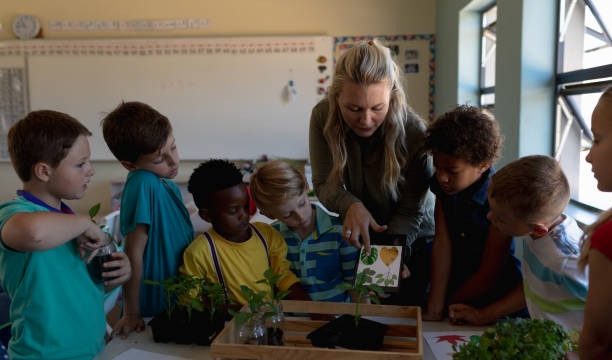
Open learning is not confined to traditional classrooms; it extends beyond walls, encouraging curiosity and exploration in myriad ways.
As we delve into how open learning builds understanding, we uncover a pathway toward personal growth and communal knowledge.
The journey of open learning often begins with a simple desire to know more. Whether it’s a yearning to grasp a new language or an interest in sustainable living, the motivation to learn can stem from personal experiences or broader societal needs. Unlike conventional education, which may adhere to rigid structures and standardized curricula, open learning offers a more fluid approach. It invites individuals to pursue knowledge at their own pace, exploring topics that resonate with them personally. This autonomy fosters a deeper connection to the material, as learners engage with content that is meaningful and relevant to their lives.
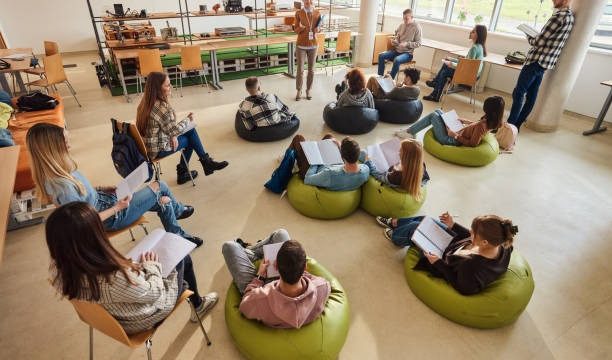
One of the remarkable aspects of open learning is its emphasis on collaboration. In many traditional educational settings, learning can sometimes feel like a solitary endeavor. However, open learning encourages interaction and the sharing of ideas. Online forums, social media groups, and community workshops become vibrant spaces where individuals can come together to discuss, debate, and learn from one another. This exchange of perspectives not only enriches the learning experience but also cultivates a sense of belonging. When learners engage with a diverse community, they are more likely to see different viewpoints, leading to a more nuanced understanding of the subject matter.
Embracing a growth mindset is another essential element of open learning. This philosophy, which emphasizes resilience and adaptability, allows individuals to view challenges as opportunities for growth rather than obstacles. In an open learning environment, mistakes are not viewed as failures but as stepping stones toward deeper comprehension. This mindset encourages learners to experiment, take risks, and explore new avenues of thought. As they navigate through various resources—be it online courses, podcasts, or books—they begin to develop a more profound understanding of the interconnectedness of knowledge.
The role of technology in open learning cannot be overstated. With the advent of the internet, information has become more accessible than ever before. Online platforms offer a wealth of resources, enabling learners to explore topics they might not encounter in a traditional classroom. Whether it’s watching a documentary on climate change or participating in a virtual workshop on creative writing, technology facilitates a personalized learning experience. This accessibility empowers individuals from all walks of life to pursue their interests and passions, fostering a culture of lifelong learning.
A small shift toward balance can also be found in the flexibility that open learning provides. Life is often busy, and the demands of work, family, and personal commitments can make it challenging to dedicate time to education. Open learning accommodates these realities by allowing individuals to set their own schedules. This flexibility not only reduces the pressure associated with rigid deadlines but also encourages learners to integrate their studies into their daily lives. Whether it’s dedicating an hour each week to a new skill or engaging in spontaneous learning moments, this balance helps sustain motivation and fosters a love for learning.
Moreover, open learning promotes critical thinking and self-directed inquiry. When learners are encouraged to ask questions and seek answers independently, they develop skills that extend beyond the classroom. This process of inquiry cultivates a sense of curiosity, prompting individuals to dig deeper into the subjects they are passionate about. As they explore various viewpoints and challenge their assumptions, they build a more comprehensive understanding of complex issues. This critical engagement not only enhances their knowledge but also equips them with the tools to navigate the world thoughtfully and responsibly.
As we reflect on the impact of open learning, it’s essential to acknowledge the role of mentorship and guidance. While self-directed learning is a cornerstone of this approach, having access to mentors or experienced individuals can significantly enhance the journey. Mentors provide valuable insights, share their experiences, and offer encouragement, helping learners navigate challenges and celebrate successes. This relationship fosters a supportive environment where learners feel empowered to pursue their interests with confidence.
Incorporating open learning into our lives can also lead to a greater appreciation for the learning process itself. As individuals engage with various resources and communities, they begin to recognize that learning is not a destination but a lifelong journey. This perspective shift encourages a sense of wonder and exploration, inviting learners to embrace the unknown. The beauty of open learning lies in its infinite possibilities, allowing individuals to continuously evolve and expand their horizons.
Ultimately, open learning builds understanding in ways that traditional education may not always achieve. It fosters a love for learning that transcends boundaries and invites individuals to explore the world around them. By embracing curiosity, collaboration, and critical thinking, we can create a richer tapestry of knowledge that benefits not only ourselves but also the communities we inhabit. As we navigate this journey together, let us celebrate the power of open learning to inspire growth, connection, and a deeper understanding of the world we share.