In a world that often feels unpredictable and overwhelming, the concept of resilience has become increasingly important.
Resilience, in its simplest form, is the ability to bounce back from challenges and adapt to change.
One of the most effective ways to cultivate this essential quality is through open learning.
This approach to education not only enriches our minds but also nurtures our spirits, fostering a sense of strength and adaptability that can serve us well in all aspects of life.
Open learning refers to a flexible and accessible educational model that encourages exploration and self-directed study. It breaks away from traditional classroom settings, allowing individuals to learn at their own pace and pursue areas of interest that resonate with them. This personalized approach to learning can be a powerful catalyst for resilience, nurturing qualities that help us navigate the complexities of life.
A gentle journey of self-discovery
When we engage in open learning, we embark on a journey of self-discovery. We are given the freedom to choose subjects that ignite our passion or curiosity, whether it’s art, science, languages, or personal development. This exploration not only broadens our knowledge but also deepens our understanding of ourselves. As we learn more about what excites us, we gain confidence in our abilities and a greater awareness of our strengths.
This journey is filled with opportunities for growth. We may encounter challenges along the way, such as grappling with complex concepts or facing setbacks in our learning. However, these obstacles can also serve as valuable lessons. Each time we push through a difficulty, we reinforce our ability to adapt and persevere. This iterative process of learning and overcoming fosters resilience, equipping us with tools to handle future challenges.
Creating connections through shared experiences
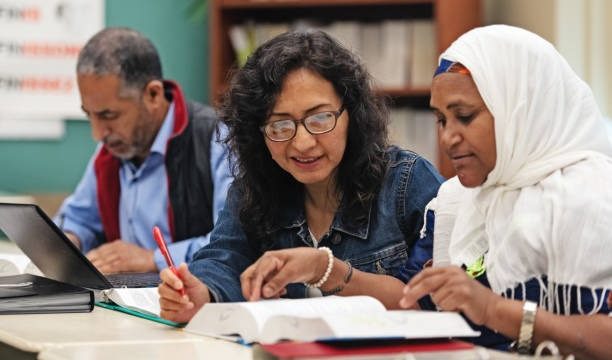
Open learning often encourages collaboration and connection with others. Whether through online forums, study groups, or community workshops, learners frequently find themselves surrounded by like-minded individuals who share their interests. These connections can be incredibly uplifting, providing a support system that helps us navigate our learning journeys together.
Sharing experiences with others can create a sense of belonging, which is essential for building resilience. Knowing that we are not alone in our struggles can make a world of difference. When we share our challenges and successes, we learn from one another and gain new perspectives. This exchange of ideas fosters a sense of community, reminding us that we are all in this together, facing similar hurdles and celebrating each other’s progress.
Embracing a growth mindset
A key component of resilience is the ability to embrace a growth mindset. This term, popularized by psychologist Carol Dweck, refers to the belief that our abilities and intelligence can be developed through dedication and hard work. Open learning naturally aligns with this mindset, as it encourages exploration and experimentation without the fear of failure.
When we engage in open learning, we often encounter new and unfamiliar concepts. Rather than viewing these challenges as insurmountable obstacles, we can see them as opportunities for growth. This shift in perspective is crucial for building resilience. By approaching learning with curiosity and a willingness to make mistakes, we develop a sense of confidence that empowers us to tackle future challenges head-on.
Cultivating emotional intelligence
Resilience is not solely about overcoming challenges; it also involves understanding and managing our emotions. Open learning can play a significant role in cultivating emotional intelligence, which is the ability to recognize, understand, and influence our own emotions and the emotions of others.
As we navigate our learning journeys, we may face moments of frustration, confusion, or self-doubt. These feelings are entirely natural, and open learning provides a safe space to explore them. By reflecting on our emotional responses during the learning process, we can develop greater self-awareness. This awareness allows us to recognize when we need to take a step back, seek support, or employ self-care strategies.
Furthermore, as we engage with diverse perspectives and ideas, we learn to empathize with others. This understanding fosters a sense of connection and compassion, both of which are essential for resilience. By nurturing our emotional intelligence, we become better equipped to handle the ups and downs of life with grace and strength.
Finding balance in the chaos
Life can often feel chaotic, with competing demands pulling us in various directions. Open learning encourages us to carve out time for ourselves, allowing us to pursue our interests and passions amidst the noise. This intentional focus can be a grounding force, helping us maintain balance in our lives.
By prioritizing our learning, we create a sanctuary where we can recharge and rejuvenate. This space for self-reflection and growth becomes a vital tool for resilience. When we invest in our personal development, we build a reservoir of strength that we can draw upon in times of stress or uncertainty.
The journey of open learning is not just about acquiring knowledge; it’s about nurturing the mind, body, and spirit. As we explore new ideas and connect with others, we cultivate resilience that serves us well beyond the classroom. Each step we take on this path empowers us to face the world with confidence and adaptability.
In an ever-changing landscape, open learning stands as a beacon of hope and empowerment. It invites us to embrace our curiosity, connect with others, and cultivate the resilience we need to thrive. By engaging in this transformative journey, we not only enhance our understanding of the world but also fortify our spirits, ready to embrace whatever challenges lie ahead. In this way, open learning becomes more than just an educational model; it becomes a way of life, guiding us toward resilience and fulfillment.